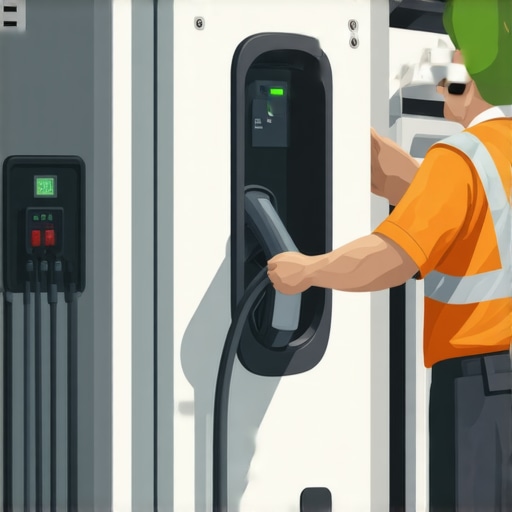

Troubleshooting EV Chargers: Expert Tips for Safe Power & Compliance in 17:09
I’ll never forget the moment when my EV charger suddenly stopped working right in the middle of a charge, and I felt that sinking feeling. That frustrating experience made me realize how crucial it is to understand the ins and outs of troubleshooting your EV charger properly. It’s not just about fixing a glitch; it’s about ensuring safety, saving money, and staying compliant with local codes. If you’ve ever faced similar issues—be it flickering lights, error codes, or slow charging—then you know how stressful it can be. But here’s the truth: with the right knowledge and approach, you can troubleshoot effectively and avoid unnecessary expenses or safety hazards. Today, I promise to share practical, expert-approved tips that will help you diagnose and fix common EV charger problems confidently, while making sure everything complies with safety standards. Whether you’re a homeowner or a DIY enthusiast, this guide will give you the confidence to handle those tricky issues.
Why Proper Troubleshooting Matters More Than You Think
Start with the Basics of Power Supply Checks
My first step in troubleshooting a stubborn EV charger was to verify the power source. Just like a car won’t run without fuel, your charger needs a reliable power supply. I flipped the circuit breaker off, waited a minute, and then turned it back on, observing if the charger responded. If the breaker trips again or the charger stays unresponsive, it indicates a deeper electrical issue. This simple check often reveals whether the problem lies with the outlet or the circuit itself. For best results, consider upgrading your panel if your current setup is outdated or overloaded; read more about panel upgrades for better EV performance.
Inspect and Reset the Charger
Next, I visually examined the charger for any obvious damage or loose connections. Sometimes, dust or debris can cause faulty contacts. Most chargers have a reset button—pressing this can clear minor glitches. I held the reset for a few seconds and then reconnected my vehicle. If the error persisted, I moved on to more technical diagnostics. In my experience, ensuring the charger is properly seated and free of physical obstructions can resolve many issues quickly.
Verify Code Compliance and Safety Standards
Ensuring your charger installation complies with local codes is critical. Non-compliance can cause safety hazards or prevent your charger from functioning correctly. I used resources like this guide to verify my setup. It’s akin to making sure your vehicle has the right insurance—skipping steps can lead to dangerous situations. If your setup doesn’t meet code, it’s wise to consult an electrician for a proper panel upgrade. Reliable upgrades not only enhance safety but can also improve charging speed and efficiency; see panel upgrades for EVs.
Check the Circuit Breaker and GFCI Outlets
Sometimes, the breaker or GFCI outlet trips unexpectedly. I tested this by resetting the GFCI and observing if the charger powered up. If it trips again immediately, I suspected a ground fault or wiring issue. Troubleshooting these problems often involves testing the outlet with a multimeter, which I learned through expert troubleshooting tips. Addressing wiring faults promptly is vital for safety and reliable operation. If uncertain, don’t hesitate to contact professionals for inspection and repairs.
Evaluate the EV Charger and Vehicle Compatibility
Compatibility issues can also cause charging failures. I checked the charger’s specifications against my vehicle’s requirements. Using a different cable or testing with another vehicle can help isolate the problem. Sometimes, software updates from the manufacturer are needed, which I found out by visiting the manufacturer’s website. Staying current ensures optimal performance and compliance with latest safety standards.
Consider Upgrading Your Electrical Panel
In my case, frequent trips caused outlets to overload, leading to breaker trips. Upgrading to a dedicated, higher-capacity panel was a game-changer. You can learn more about panel upgrades for EV chargers to understand the benefits. A proper upgrade prevents overloads, ensures code compliance, and provides a stable power source for your charger, reducing troubleshooting headaches.
Document and Seek Professional Help When Needed
Finally, I documented all my troubleshooting steps, which proved invaluable when consulting with an electrician. If problems persist despite these efforts, professional diagnostics ensure safety and compliance. Trusted professionals can perform comprehensive inspections and upgrades, giving peace of mind that your home is ready for reliable EV charging. For expert assistance, visit contact us.
Many homeowners and DIY enthusiasts operate under misconceptions when it comes to troubleshooting EV chargers, upgrading panels, or ensuring code compliance. Let’s dig deeper into what most people get wrong and how nuance plays a crucial role in safe and effective EV charging setups.
Why Following Myths Could Lead to Costly Mistakes
One widespread myth is that simply resetting the charger or replacing a fuse will resolve all issues. In reality, this can mask underlying problems like wiring faults or outdated electrical panels. Relying solely on basic fixes often leads to recurring issues, safety hazards, or even code violations. For comprehensive troubleshooting, it’s essential to understand the electrical infrastructure and conduct proper diagnostics, such as testing with a multimeter or verifying circuit integrity. Remember, an improperly addressed issue can compromise safety and void warranties, so consult trusted resources like expert troubleshooting tips for detailed insights.
Common Mistakes in Code Compliance and Panel Upgrades
Many assume that code compliance is just a bureaucratic hurdle. However, non-compliance can lead to safety risks, insurance issues, and failed inspections. A critical nuance is understanding the local electrical codes, which vary by region. For example, some homeowners overlook the importance of dedicated circuits for EV chargers, which are often mandated by local standards. Upgrading your electrical panel isn’t just about capacity; it’s about ensuring the new setup adheres to safety standards. I recommend reviewing this guide to properly verify your setup and avoid costly rework.
What Advanced Troubleshooting Reveals About Your System
Advanced troubleshooting involves understanding the subtleties of your electrical environment. For instance, voltage fluctuations or intermittent GFCI trips can indicate wiring issues or insufficient grounding—problems often overlooked by inexperienced troubleshooters. A common trap is assuming that the problem is solely with the charger, when it could be an electrical supply issue. Modern EV chargers have diagnostic features, but interpreting these requires nuanced knowledge. Regularly updating your system’s firmware and ensuring your panel can handle the load are crucial steps, as highlighted in expert safety tips. If in doubt, professional diagnostics are worth the investment for long-term safety and reliability.
Have you ever fallen into this trap? Let me know in the comments.
Maintaining your EV charger over time requires more than just occasional resets; it involves using precise tools and adopting best practices that ensure safety, efficiency, and compliance. One of my go-to diagnostic tools is a high-quality digital multimeter. I rely on it daily because it provides accurate voltage readings, helps identify wiring faults, and confirms whether your electrical system is delivering stable power. When I first started troubleshooting, I didn’t realize how crucial having a reliable multimeter was until I encountered inconsistent voltage readings that caused GFCI trips and slow charging. A multimeter like the Fluke 115 offers the precision needed for residential troubleshooting and is durable enough to withstand regular use. Investing in a good multimeter pays off by allowing you to diagnose issues quickly without guesswork, saving you time and money. For more advanced diagnostics, I use a clamp meter to measure current flow during operation, helping me verify whether your circuit is overloaded or if your panel is handling the load properly. These tools combined give me a comprehensive picture of your system’s health, making maintenance more straightforward.
How do I maintain EV charger performance over time?
One effective method is to schedule regular inspections of your electrical connections and grounding systems. I do this twice a year, especially after seasonal changes when wiring may expand or contract. Additionally, keeping your charger’s firmware up to date is essential; most manufacturers release updates that improve compatibility, fix bugs, and enhance security. I always check the manufacturer’s website periodically—often, updates are free and straightforward to install, but they can significantly improve your charger’s reliability. Another key aspect is ensuring your electrical panel can handle current and future demands. If your panel is outdated or overloaded, it can cause frequent trips and damage your system. Upgrading your panel can be a game-changer, and I recommend consulting professionals for this task. For detailed guidance, see this article on panel upgrades.
Tools I recommend for ongoing maintenance
Beyond multimeters and clamp meters, I find that a thermal imaging camera is invaluable. It helps me detect hotspots in wiring or connections that could indicate impending failure. I personally use the FLIR One Pro because of its portability and detail resolution. Regular visual inspections combined with thermal imaging allow me to catch potential problems early before they cause costly damage or safety hazards. As EV charging technology advances, monitoring tools are also becoming smarter. Future trends point toward integrated diagnostic systems within chargers that can alert you remotely to issues, simplifying maintenance even further. To stay ahead, try incorporating basic thermal imaging into your routine checks; it’s an investment that can extend the life of your system and keep it operating reliably. If you’re ready to take your maintenance to the next level, contact us for expert advice on integrating these tools into your routine: reach out today.
Lessons from My Most Challenging Repairs
- One major lesson I learned was never to assume a simple reset is the fix. Underneath, wiring faults or outdated panels often hide, waiting to cause more trouble down the line. Taking the time to diagnose thoroughly saves money and keeps your system safe.
- I used to overlook the importance of verifying code compliance until I faced a costly inspection failure. Now, I always double-check local standards before starting any upgrades—it’s a small step that prevents big headaches later.
- My experience with panel upgrades showed me that capacity isn’t everything. Proper grounding, dedicated circuits, and following safety protocols make all the difference in ensuring reliable, safe EV charging.
- Advanced troubleshooting tools like multimeters and thermal cameras have transformed how I maintain my system. They reveal hidden issues that could otherwise cause safety hazards or slow charging, giving me confidence in my setup.
Tools That Keep My EV Charging Smooth
- Fluke 115 Digital Multimeter This tool provides precise voltage readings, helping me identify wiring issues quickly and avoid dangerous faults.
- FLIR One Pro Thermal Camera Detects hotspots in wiring that might lead to failures, allowing preventative maintenance before costly damage occurs.
- Manufacturer Firmware Updates Staying current with updates ensures optimal performance and security, preventing bugs that can cause charging issues.
- Reliable Resources on Code Compliance I trust the guides on verifying code compliance to keep my setup safe and up to standard.
Charge Forward with Confidence
Remember, troubleshooting your EV charger isn’t just about fixing the problem—it’s about creating a safe, efficient, and future-proof setup for your home. With the right tools, knowledge, and proactive maintenance, you can enjoy reliable charging without the stress. Take the first step today—your future self will thank you!
What’s been your biggest challenge when troubleshooting or upgrading your EV charger? Share your experience below—I’d love to hear your story!